Dystonia In Babies Symptoms
Dystonia In Babies Symptoms. Dystonia can affect many different parts of the body and the symptoms are different depending upon the form of dystonia. Dystonia usually gets worse with fatigue and emotional stress and it gets better with sleep and relaxation.
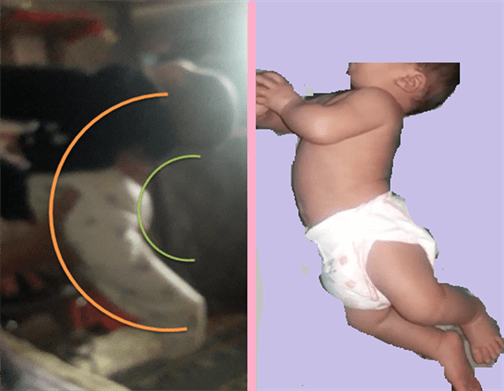
Which Babies Are All About
Babies are the smallest members of the human species. Although the term "baby” is commonly used to refer to human offspring, it can also be used to refer to the young people of other species. Most infants are younger then one month of age. However, there's a few exceptions to this standard. Infants under one month old is considered a newborn.
Baby's first test
The Baby's First Test is an online platform that connects parents and health professionals during the newborn screening process. It includes educational resources from across the U.S. and answers frequently asked questions. The website also contains families' stories and guides to aid families in navigating the test. A simple search for "baby's First Test" will provide various resources. This test evaluates the auditory brain stem of your baby it is the nerve that transmits sounds from inside the ear canals to the brain. It involves inserting a tiny probe inside the baby's inner ear listening to a music, and then watching the response to the sound. The procedure is simple, and your baby will not feel anything. After the initial screening your child's blood sample will be kept in a secured, locked spot for two years. This allows the test results to be evaluated and improved on. It also permits the lab to undertake testing and quality assurance as well as research projects. After two yearsof use, the samples are destroyed.
Apgar score
What is known as the Apgar score for infants can be a quick and accurate assessment of the health of a newborn. It is given in less than the minute after birth or in the event of being revived. It's a useful tool for parents as well as healthcare professionals alike. However, it should not be used to replace to receive medical care. Apgar scores are determined by the combination of various criteria. A lower Apgar score indicates that a baby is in potential for medical intervention but it is not necessarily evidence of an undiagnosed medical problem. Many babies have very low Apgar score, even though they are well-behaved. Your doctor can explain what to do However, keep in mind that this is not a definitive indicator of long-term health or behavior. It is merely a reflection of the personality.
Sleep patterns
Baby sleep patterns are different throughout the night. It's all dependent on each baby's requirements and needs. For example, some babies are more restful at night that others, whereas some may rest for as long as four to five hours a day. Adults can sleep for long periods of time without being awakened children, infants are more likely to awake frequently throughout the night. It's important to consider that genes can impact the patterns of sleep and temperament. A few babies have difficulty falling asleep and are likely to be more irritable. Certain babies are more tolerant to changing their sleeping routines than other. Genetics can also affect particular aspects of the sleep cycle including how long they sleep at night. Beyond genetic factors, environmental factors can influence baby's sleep patterns. Two studies of babies as young as 6 months have found that genetics can explain half of the variance in individual in sleep duration at night, however, environmental factors account for the remaining half. The length of the sleeping cycle could be as short in as little as 45 minutes. The first night of sleep is often interrupted by wake-ups, and the occasional light sleep.
Sensation
Babies use their senses to acquire knowledge, make connections with their caretakers and explore their world. This is according to Lise Eliot Ph.D. She is also the co-author of What's Goin' On In There The Way the Mind and Brain Develop during the first five years of Life, your child's senses develop during the womb. These senses develop and become more advanced as your child grows. The vestibular system is able to detect changes in the ear's inner receptors. Proprioception is a sense that helps your baby become aware how their body is moving and is developed through the stimulation of movement. These games will improve the baby's sensory abilities and improve his or her coordination to balance and concentration.
Diseases
The first life events can affect a person's physiology and can make them susceptible to developing disease. One of the most important components of these "programmed impacts" is early nutrition. The field of the developmental roots of Health and Disease (DOHAD) deals with this issue. Beyond the traditional inheritable causes of illness there are other factors that can affect a child's growth. The beginning of medical history was when diarrhoea and tuberculosis were the most common fatalities in children. Victorians were unaware that bovine tuberculosis could be unavoidably a social issue that claimed the lives of millions of people, particularly children. This airborne disease thrives in crowded areas and is frequently transmitted via milk. Before 1930, milk related disease was responsible in around 30 percent the deaths due to tuberculosis in infants.
Nutrition
An important measures to feed your baby is providing numerous healthy options of food. Fresh fruits and vegetables are excellent sources of nutrients . They help enhance growth. The baby's diet should consist of nutrient dense foods, like whole grains. When eating food, make sure to choose those with a low sodium content. It is vital to provide the best nutrition to your infant during this crucial period. The first few months of a baby's life are packed with an accelerated growth rate and growth and the appropriate nutrition is essential for an optimal growth process and organ development. In addition to providing appropriate foods for your infant it is also important to employ positive feeding techniques to develop a healthy attitude toward food and encourage healthy eating habits. Make sure your child receives sufficient amounts of growth-promoting and brain-building nutrients such as vitamin A D, and B6, along with fiber and protein. Furthermore, babies need iron, zinc folate, zinc, and prebiotics.
Their leg or arm might continually twitch, or they. Your baby is unable to lift their head or control neck muscles. Observed repeated body movements that.
Dystonia Can Affect One Or.
Generalized dystonia can also occur in the hand and upper body, making. Early aetiological diagnosis is of paramount importance for childhood dystonia because some of the possible underlying conditions are treatable. An infant with cervical dystonia may display the following involuntary movements:
Difficulty Moving Arms, Legs Or Neck.
Loss of balance and frequent falls. Dystonia in children can manifest itself with the following symptoms: Your baby cannot place weight on their legs.
Your Baby Is Unable To Lift Their Head Or Control Neck Muscles.
Symptoms of dystonia may appear at any age from young toddlers to older children. Your baby feels limp when held. Uncontrolled movements one of the biggest signs that your child has baby dystonia disorder is that they will have uncontrolled movements.
Dystonia Can Affect Different Body Parts, And Often The Symptoms Of Dystonia Progress Through Stages.
Part of the body is bent or twisted, is in an abnormal position. It is commonly seen when performing a task like playing,. The main symptom is muscle overactivation leading to.
Their Leg Or Arm Might Continually Twitch, Or They.
Symptoms of dystonia vary, depending on which type a person has. When dystonia only affects muscles on one side of the. Symptoms of generalised dystonia can include:
Post a Comment for "Dystonia In Babies Symptoms"