When Should Babies Be On A Schedule
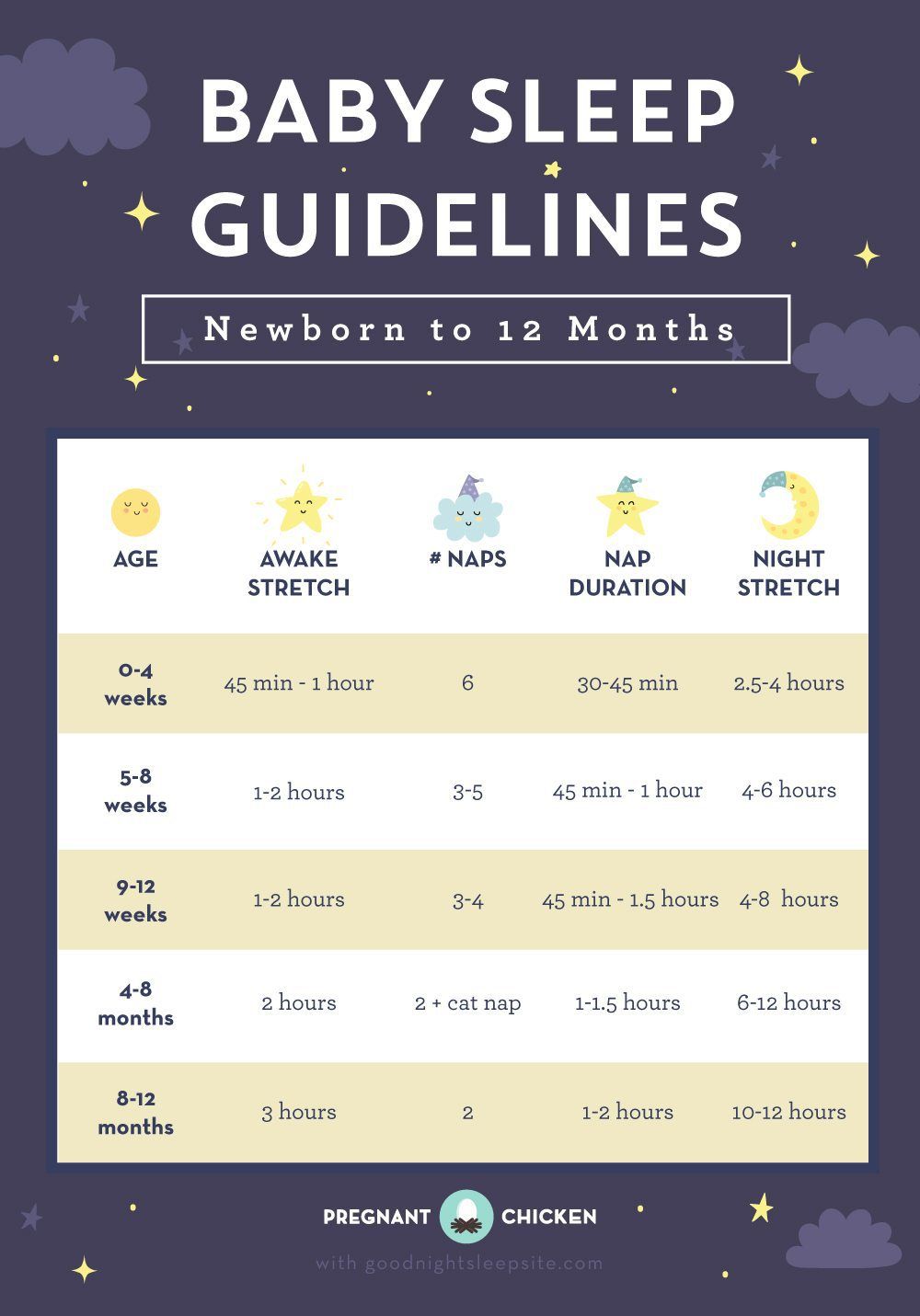
When Should Babies Be On A Schedule. When your baby is about 2 months old, her internal clock will be a bit more. The number of naps your baby needs depends on his age.
About what Babies Are All About
Babies are considered to be the smallest member of the human race. While the term baby is typically used to refer to human offspring, infant could also be used to refer to young individuals of other species. Generally, infants are less an entire month old. However, there are exceptions to this standard. The infant who is less than one month in age is considered a newborn.
Baby's first test
Babies' First Test is an online platform that connects parents with health professionals for the newborn screening process. It offers educational resources from all over the U.S. and answers frequently asked questions. The site also provides families' stories and guides to guide families through the process. A simple search of "baby's very first exam" will give you a list of related resources. The test will test your baby's auditory brain stem as it's part of the brain stem that can transmit sound signals from through the ears and into the brain. It involves inserting a small probe in the baby's ear then playing the sound while observing the body's response to the sounds. The test will be painless and your baby will not feel anything. After the initial screening, the child's test results will be kept in a secured, locked place for at least two years. This allows the test results to be examined and improved upon. Furthermore, it allows the lab to complete research and quality assurance projects. After two years, all the samples must be taken away.
Apgar score
It is the Apgar score for infants can be a quick and accurate assessment of the newborn's health. It is available for just minutes after birth or even as a the event of revived infants. It's a helpful aid for parents and healthcare providers as well. However, it shouldn't be used as a replacement for medical treatment. Apgar scores are determined by the combination of various criteria. A lower Apgar score signifies that a child is at potential for medical intervention however it's not always an indication of an actual medical problem. Many babies are born with poor Apgar score even when they're extremely healthy. Your doctor will be able to explain what to do However, keep in mind that this score isn't an indicator of the long-term health behaviour, personality, or even behavior.
Sleep patterns
Baby sleep patterns are different throughout the night. It's contingent on the individual baby's needs as well as their age. For instance, some infants sleep less at night as compared to others, while others can sleep four or five hours every day. While adults are able to sleep for several hours without waking however, a baby is more likely to awake many times throughout the night. It is essential to recognize that genes can alter a baby's sleep patterns and temperament. A few babies have difficulty falling asleep , and they tend to be more irritable. Some babies are more responsive to changes in their sleeping patterns than others. Genetics can also affect specific aspects of the sleep cycle for example, how long they sleep at night. Beyond genetic factors, environmental elements can also affect a baby's sleep habits. Two studies on babies aged 6 months discovered that genetics may be the reason for about half the variation in the length of the night's sleep with environmental factors accounting for the other half. The duration of the sleeping cycle can be as little as 45 minutes. The newborn's sleeping cycle is distinguished by frequent wake-ups. the occasional light sleep.
Sensation
Children use their senses to grow, connect with family members and explore the world. To Lise Eliot, Ph.D. and author Of What's Going on In There The Way the Brain and Mind Grow during the first five years of Childhood, your child's senses begin to develop in the womb. The senses are strengthened and more developed as your child develops. The vestibular system is able to detect motion via the inner-ear receptors. The sense of proprioception assists the baby to become aware the body's position and develops through games that encourage movement. These games will improve the baby's sensory abilities as well as improve his coordination focus, balance, and coordination.
Health Conditions
The first life events could affect the physiology of an individual and make them more susceptible to illness. A key component of these "programmed effects" is early nutrition. The study of the developmental origins of well-being and illness (DOHAD) tackles this issue. In addition , to the more traditional pathogens that cause disease, non-genetic factors can also influence a child's development. Early in medical history, tuberculosis and diarrhoea were major victims in children. Victorians were unaware that bovine tuberculosis could be a social problem that killed millions of people. It was particularly deadly to children. The disease that spreads via air thrives when there is a lot of people living in the same space and is frequently transmitted via milk. Prior to 1930, milk-related illnesses were responsible for approximately 30 per cent of tuberculosis deaths among infants.
Nutrition
one of the most crucial steps to feed your child is to offer an array of nutritious foods. Fresh vegetables and fruits are an excellent source of nutrients and help to enhance growth. The baby's diet should be rich in nutrients, such as whole grains. If you're eating, be sure to select those with a low sodium content. It is vital that you provide the best nutrition to your infant during this time of need. The infant's first few months are filled with rapid growth and development, which is why the right diet is crucial for proper growth and organ development. As well as providing proper food intake for your infant, you should also use positive methods for feeding your child to establish an unquestionably positive attitude towards food and encourage healthy eating habits. You should make sure that your infant receives adequate amounts of growth-promoting and brain-building nutrients such as vitamin A, D B6, and A in addition to fiber and protein. Also, infants need iron, zinc folate, iron, prebiotics, and folate.
Newborns need three to five naps a day or more. Happy, healthy baby sleep schedule by age: May 16, 2017 it all depends on baby’s age.
Wake Your Baby For A “Dream Feed” Between 10Pm And Midnight Every Night To Fill His Stomach And Prepare Him For A Longer Sleep Period.
A flexible eating and sleeping schedule can be super. From the webmd archives until dr. Babies get into rhythms starting around 3 months of age, says.
Calm Your Nerves By Reading The Questions And Answers Below About Newborn.
The number of naps your baby needs depends on his age. When can you get baby on a sleep schedule? Here’s when and how to get your baby on a sleep schedule.
Spock Came Along In The Late 1940S, Most Babies Were Fed On A Strict Schedule.
Per the american academy of pediatrics, you should schedule a visit three to five days after birth. Most babies are sleeping about 3 hours total during the day at this. When your baby is about 2 months old, her internal clock will be a bit more.
Happy, Healthy Baby Sleep Schedule By Age:
May 16, 2017 it all depends on baby’s age. Mom and baby blog about caring mothers menu. Essentially, you’re going to give baby full feeds every 2 to 3 hours (choosing a bedtime and possibly a morning wake up time) and, pretty soon, you’ll be on a predictable schedule.
Some People Believe That Babies As Young As Two And Four Months Old Can Begin A General Schedule.
And babies 6 to 12. Before 4 months, baby needs an extraordinary amount of sleep—up to 20 hours per day. The hope was that they would soon come to follow a schedule and make life.
Post a Comment for "When Should Babies Be On A Schedule"