Why Do Some Babies Not Like Pacifiers
Why Do Some Babies Not Like Pacifiers. Your baby is getting confused with the pacifier nipple if your baby is. If they’re crying to be held, then a pacifier.
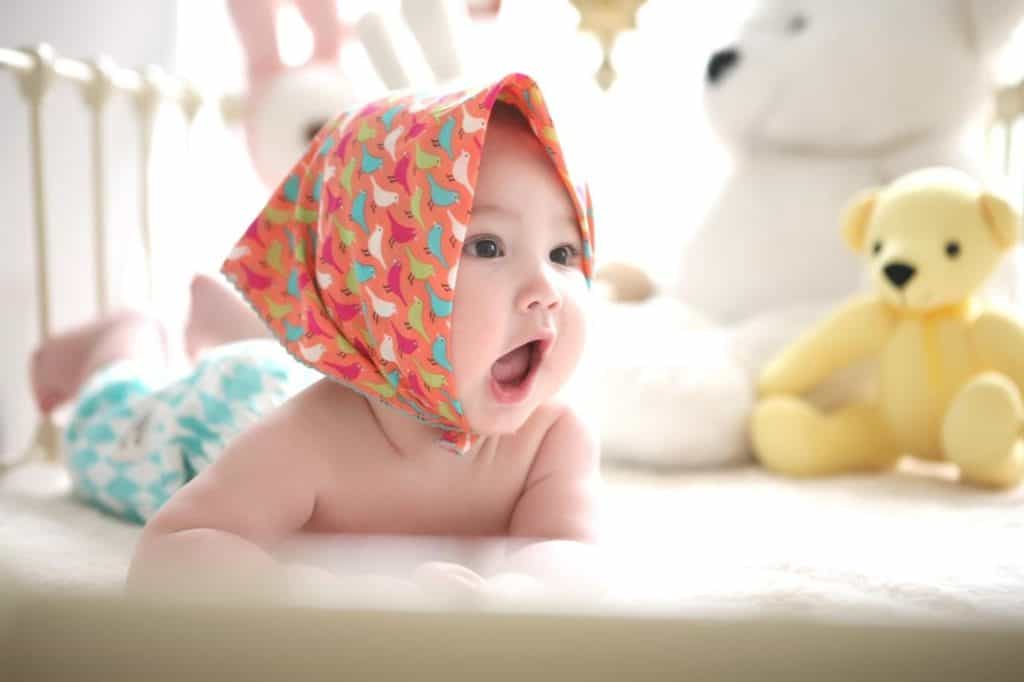
About what Babies Are All About
Babies are considered to be the smallest member of the human race. Although the term "baby” is commonly applied to human offspring, the term infant is also used to refer to infants from other species. Most infants are younger than a month old. But, there are exceptions to this standard. When a child is under the age of a month, he or she is in age is considered a newborn.
Baby's first time to test
The Baby's First Test is an online platform that connects parents with health professionals in the infant screening process. It includes educational resources from across the U.S. and answers frequently asked questions. The website also contains stories of families and guides to assist families with the process. A simple search for "baby's very first exam" will yield an array of other resources. This test examines your baby's auditory brain stem and is it's nerves that carry sounds from through the ears and into the brain. It involves inserting a small probe into the ear of your baby, playing a sound, and watching the responses to the sound. The test is painless, and your baby will never feel anything. After the initial screening, the child's test results will be kept in a secure, locked storage space for at least 2 years. This allows the test results to be examined and improved upon. In addition, it allows the lab to conduct tests of quality and research. After two years, all the samples will be destroyed.
Apgar score
There is an Apgar score for infants is a quick evaluation on the condition of a baby's body. The score can be given as early as 1 minute after birth or even in response to breathing or resuscitation. It's a great tool for parents and healthcare professionals alike. But, it shouldn't be used as a substitute for medical assistance. Apgar scores are calculated based on the aggregate of several factors. A lower Apgar score suggests an infant is at threat of having to undergo medical intervention however it's not an indication of a serious medical problem. Indeed, many infants are born with an unsatisfactory Apgar score even when they're in good health. Your doctor can explain why you should be concerned be aware that this score isn't a reliable indicator of health or behavior. It is merely a reflection of the personality.
Sleep patterns
The baby's sleep patterns vary between nights. This is based on the specific baby's needs. As an example, some infants have shorter nap times at night than others, and some may sleep four or 5 hours a day. Adults can sleep for several hours and not wake but a child is more likely to get up numerous times during the night. It is important to remember that genetics may affect a baby's sleep patterns and temperament. A few babies have difficulty falling asleep and be more stressed. Some babies are more open to changing their sleeping routines than other. Genetics also can affect certain aspects of the sleep cycle for example, how long they sleep at night. Alongside genetic factors, environmental elements can also influence baby's sleeping habits. Two studies of newborn babies discovered that genes may account for half of the variance in individual regarding the duration of nighttime sleep, while environmental factors were responsible for the remainder. The length of a sleeping period can be as brief being as 45 minute. The baby's sleep cycle can be distinguished by frequent wake-ups. the occasional light sleep.
Senses
Sensory development is a way for babies to discover, connect with their parents and explore their world. According to Lise Eliot, Ph.D. the author of What's Going On There The Way the brain and mind develop during the first five years of Childhood, the child's senses develop during the womb. They develop stronger senses and more refined as your child develops. The vestibular system is able to detect changes in the ear's inner receptors. The proprioception sensor helps your baby understand the body's posture and is developed through activities that stimulate movement. These activities will increase your baby's sensory skills and will improve his coordination as well as balance and concentration.
Health Conditions
The earliest events of life can impact the physiology of a person and can make them susceptible to developing disease. One key element of these "programmed effects" is the early nutritional intake. The department of developmental origins disorders and illnesses (DOHAD) investigates this problem. In addition to the traditional inheritance of diseases, non-genetic factors can also affect the development of children. In the early days of medical history, diarrhoea and tuberculosis were both major child killers. Victorians were largely unaware of the fact that bovine tuberculosis was unavoidably a social issue that claimed the lives of millions of people, mainly children. This disease is prevalent in homes with a high population density and is frequently transmitted via milk. Prior to 1930, milk-related diseases were responsible for up to 30% of deaths from tuberculosis among infants.
Nutrition
one of the most crucial measures to feed your baby is to give him numerous healthy options of food. Fresh fruits and vegetables are excellent sources of nutrients and help to stimulate growth. Baby's diet must comprise nutrient-rich food items like whole grains. When eating food, make sure to select those which are low in sodium. It is vital to ensure optimal nutrition for your baby at this crucial time. The infant's first few months are filled with the rapid development and expansion which is why the right diet is crucial to ensure good growth and organ development. Alongside providing appropriate foods for your infant and utilizing constructive feeding techniques to build an unquestionably positive attitude towards food and promote healthy eating habits. You should ensure that your child receives sufficient amounts of nutrients that promote growth and brain development like vitamin A, D B6, and A along with food and fiber. Additionally, infants need iron, zinc folate, iron, and prebiotics.
Your little one might not like the shape of the pacifier. Pacifiers may reduce the number of feedings at the breast, which may delay or decrease a mother’s milk supply. It isn't candy or an addiction;
Why Do Some Babies Not Take Pacifier?
Of course, pacifiers have pitfalls as well. Of the five kids, i had one that. It isn't candy or an addiction;
Babies Like Sucking On Pacifiers Because It Reminds Them Of Being In The Womb.
If they’re crying to be held, then a pacifier. The main reason why most infants prefer breasts over pacifiers is that they feel more comfortable around their mothers. What can cause babies to reject pacifiers?
Research Shows That Babies Who Use Pacifiers Are Three Times Likelier To Get Ear Infections Than Those.
Mudd notes that pacifiers are often given to premature babies to help them develop the. Daycare centers are not required to allow babies to keep their pacifiers. It's an integral part of.
Your Baby Is Getting Confused With The Pacifier Nipple If Your Baby Is.
I breastfed all four of my children, i bottle fed my niece when i had custody of her. Prolonged pacifier use (beyond 6 months) can cause problems with oral motor development, increase the risk of ear infections, and may lead to misaligned teeth. Some parents never offer their baby a pacifier because they worry it's habit forming.
Ear Infections Are One Of The Top Reasons Why Babies Go To The Hospital.
Some babies will take just about any pacifier, but others will have a preference. Pacifiers may reduce the number of feedings at the breast, which may delay or decrease a mother’s milk supply. Breastfed babies tend to get nipple.
Post a Comment for "Why Do Some Babies Not Like Pacifiers"